
9 months ago, I released my short film The Torch. I haven’t watched it since. After spending months on a project, it’s very difficult to judge it, let alone enjoy it.
What I would give to spend months editing a film, then wipe it from my memory and watch it with a fresh pair of eyes. Unfortunately, I don’t have Rick & Morty around to erase my memories, so for now, I have to let time take its course.
I randomly decided to watch The Torch the other night, and after 9 months, I was able to view my short film with the freshest pairs of eyes available to me. And it’s not bad. It’s not very good. But it was fun to reminisce. Reflecting on the process, here are 6 lessons I learned from my short film The Torch.
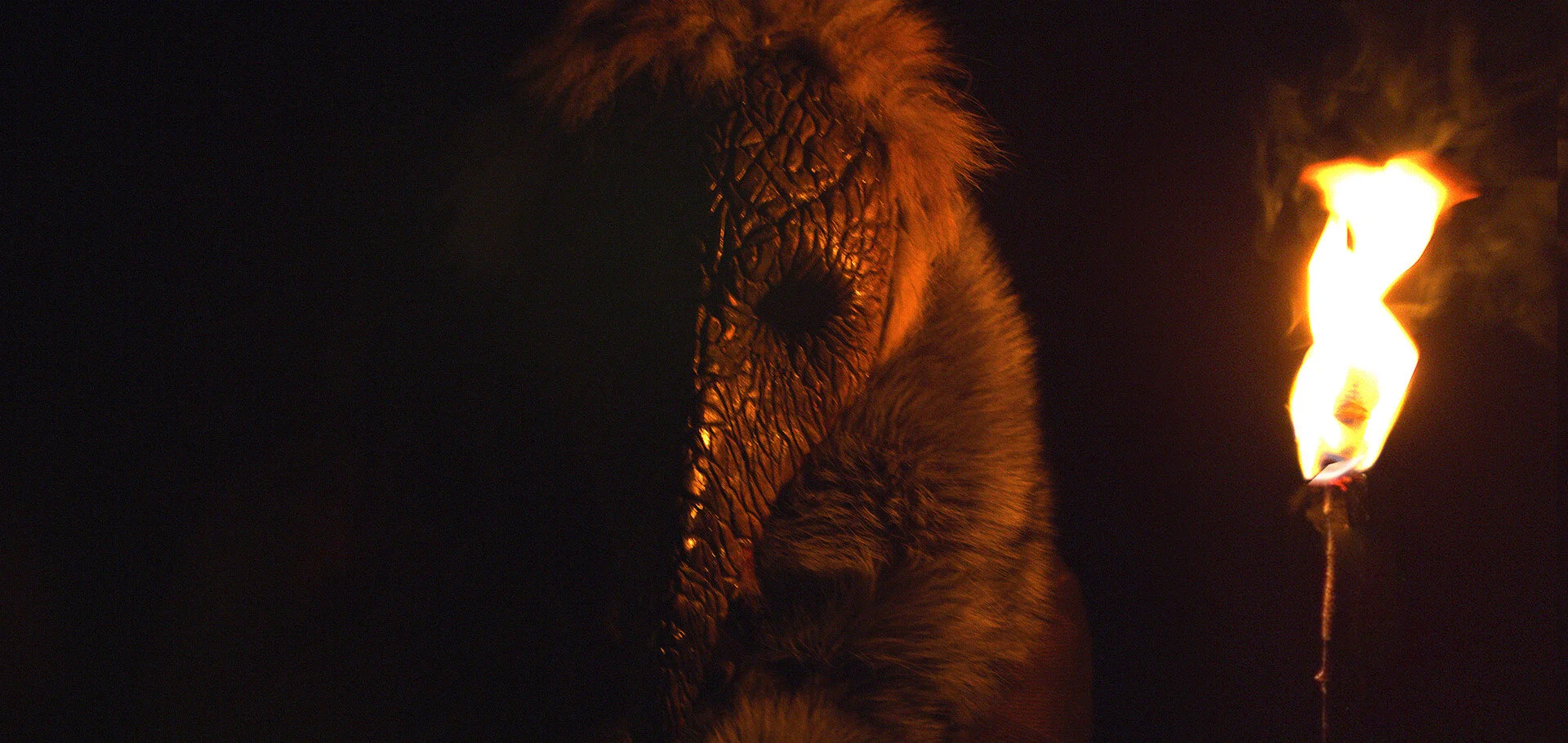
Lesson 1: What would this look like if it were easy?
The Torch was in my head for about a year and a half before it was filmed. It didn’t need a year and a half; there was just something holding me back.
Tim Ferris introduced me to the power of this question. It appears on his podcast and appears in his book Tribe of Mentors. It’s this question that allowed for The Torch to be made.
What would this look like if it were easy? After a year and a half, I sat down with the script and asked this question. And it’s this question that guided most of the film.
The film had no budget. So this question was critical to making it possible. Anything in the script that cost money or was not possible due to the lack of resources was exchanged for the easiest solution while remaining true to the plot and character.
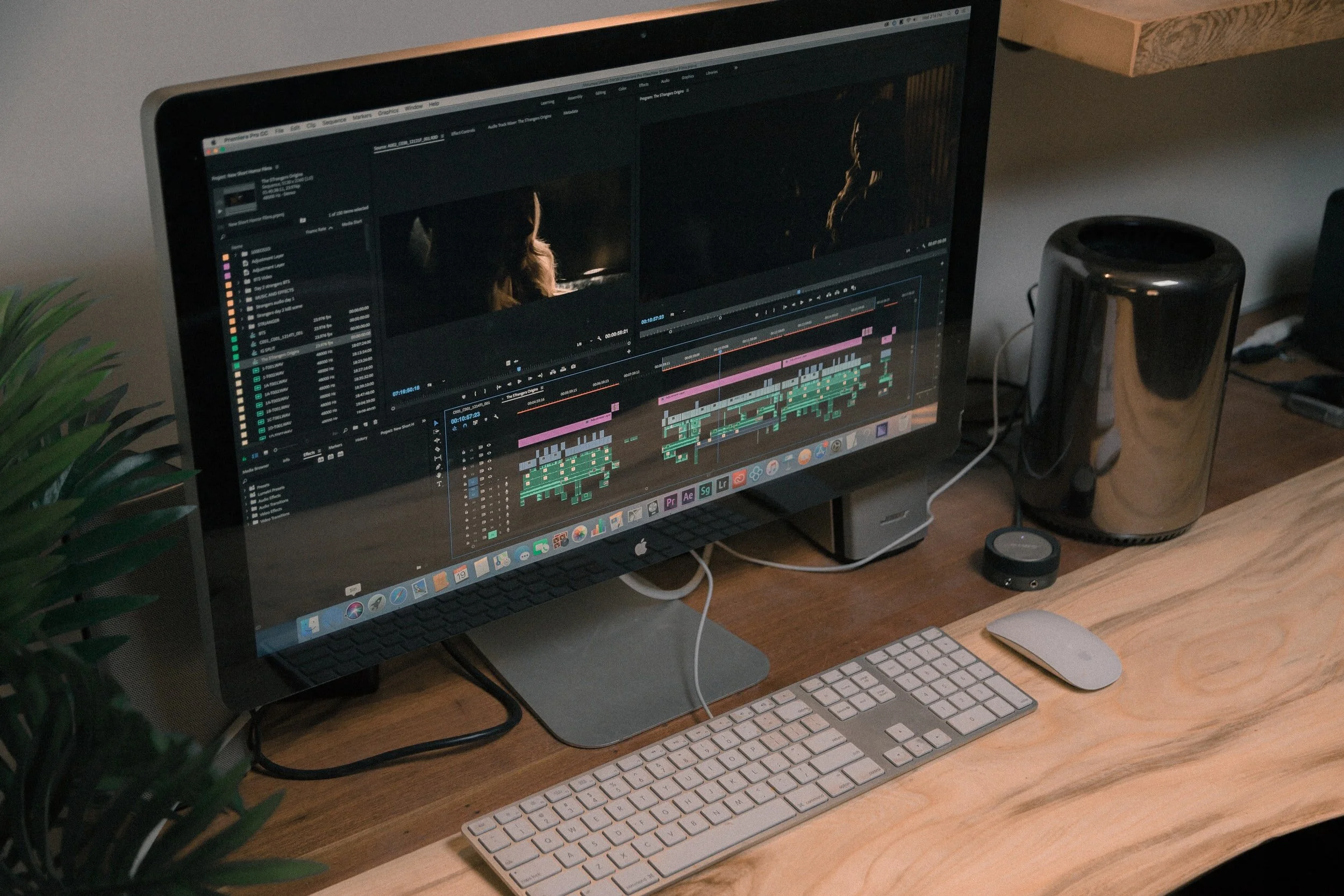
Everything in this film existed as it was. The locations we’re all within a 100-yard radius of my house. The torch's outfit was comprised of a Halloween mask and my bedroom curtain. The film became the easiest viable option, and that’s how it could be completed.
Lesson 2: Use locations unique to you.
The location came before the script. I knew everything available and unique to me, and I wrote the script around those unique assets. That’s what gave this $0 budget film a lot of production value.
Find a location unique to you and work it into your idea.
Lesson 3: Is this cohesive?
Since I could not view the film with fresh eyes, I relied on feedback from other people. After reflecting on all the feedback from the early drafts and the comments after its release, the feedback you should be looking for is: Is this cohesive?
Some people commented on what they thought was scary and what they thought wasn’t scary. But that was all irrelevant as different things scare different people. The scene someone told me to cut happens to be someone else’s favorite scene.
The feedback you should seek is, does this make sense? If someone tells you a part of the film doesn’t make sense, it’s worth another look.
The challenge when you’ve seen your own idea evolve from words on paper to a 20-minute film is that everything makes sense to you because it came from you. You don’t notice the plot holes, unclear storytelling, or random character motives. So when seeking feedback ask, is this cohesive?
Lesson 4: Work on your ending.
The Torch’s ending is exactly as written in the first draft of the script. That’s a problem. After rewatching the film, I wish I had a different ending. When someone is generous enough to dedicate 20 mins of their time, I should give them a proper ending.
So whenever you’re working on your film, remember; people are dedicating their precious time to watching your film, respect that and give them a decent ending.
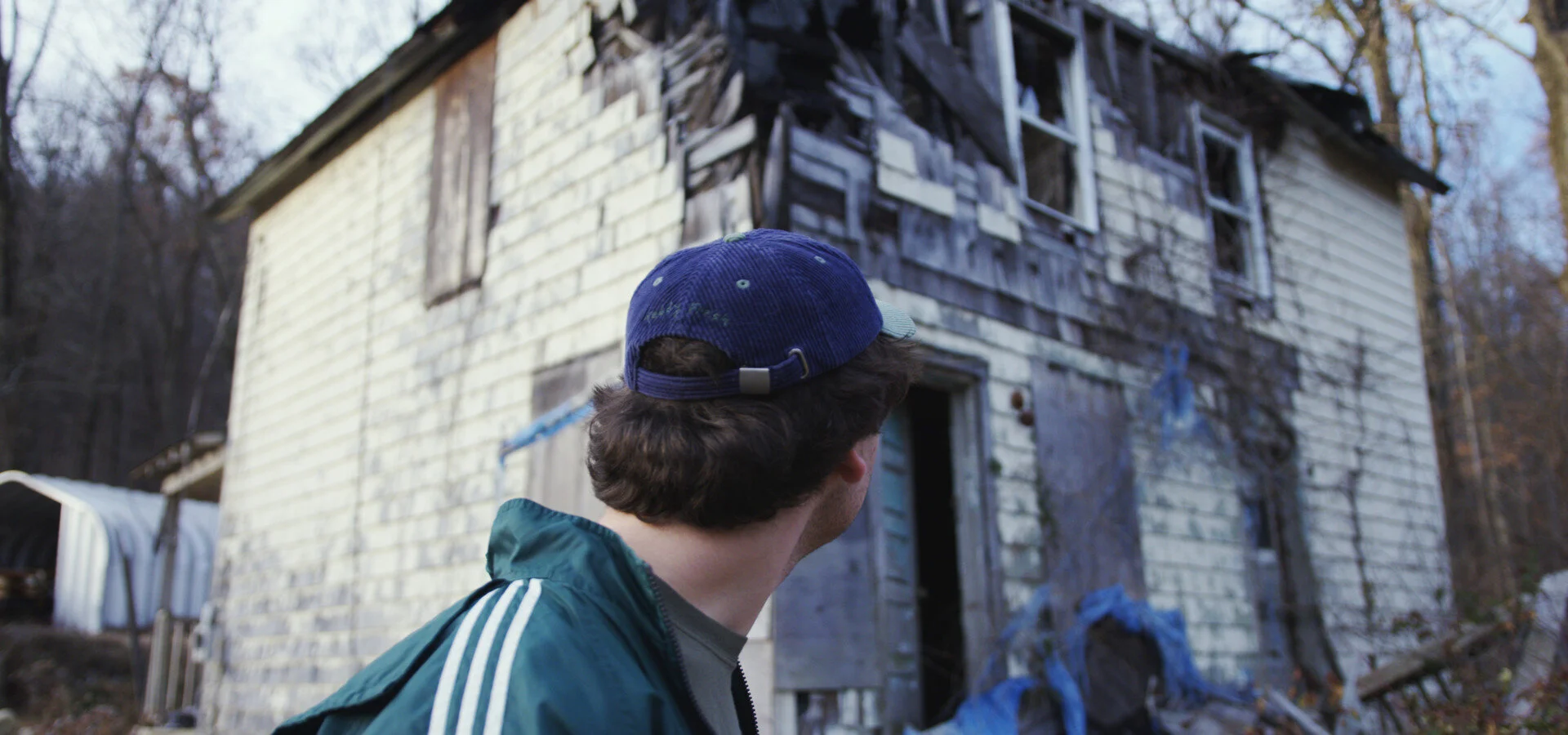
Lesson 5: Reshoots are ok.
There were quite a few reshoots for The Torch. The majority of the film was shot over the course of a week, but there are some scenes where two clips cut together were actually filmed months apart.
With no budget, a lot of sacrifices had to be made. And these sacrifices led to plot holes and incomplete coverage of a scene. Writing the script around things that already existed made it easy to reshoot with minimal continuity errors.
So if something isn’t working, it’s okay to reshoot. I recommend it. And if you have no budget, it’s wise to use foresight to allow for possible reshoots.
Lesson 6: Audio is EVERYTHING.
I learned a lesson years ago. Film is 2 parts audio and 1 part video. If you watch Transformers in full Bayhem quality, but the audio is coming from a crappy cell phone from the early 2000s, it’ll be an awful viewing experience. You couldn’t sit through a two-hour movie like that.
However, if the movie was pirated, and you had your surround sound speakers and a 480p video, you could easily tolerate 2 hours of low res action.
I hated the first cut of The Torch. I watched it and was like, “I created a 20-minute dumpster fire.” But that was before I had any audio completed. Once the audio was complete, everything came together.
Most of the film’s positive comments are about the soundtrack and the audio.
The worst part of the film is when the audio gets really muffled. It’s only a brief moment, but that drop in audio quality is horrendous.
So remember, film is always 2 parts audio and 1 part video. Do not neglect the power of audio.
There are so many things you learn from doing the work. It’s hard to summarize everything The Torch taught me. But after a recent viewing, these we’re some of the key lessons that came to mind.
If you’re looking to make a short film, I hope these lessons can help you along. If you’ve made a film, let me know some of your biggest lessons in the comments below. I would love to hear from you.
As always, make it a great day or not; the choice is yours.



![How to Keep a Daily Journal [VIDEO]](https://images.squarespace-cdn.com/content/v1/575c716aa3360c42959c867f/1617649949294-BFDH736MVXHC3XYCZ6L3/800+Days+of+Journaling.jpg)



















I started losing my hair when I was 23-years-old. I'm now 27, and this is a message I wish I could tell my 23-year-old self.